Group sales pipeline for trampoline parks is the difference between unpredictable bookings and steady, repeatable revenue. When your park relies only on walk-ins and last-minute inquiries, staffing, scheduling, and weekly goals become harder to manage. A predictable pipeline creates a clear path from first outreach to signed agreement, helping you consistently book birthday parties, school groups, camps, corporate events, and community organizations.
It also simplifies follow-up by organizing contacts, scheduling, and next steps in one system. In this guide, you will learn how to build a structured process that increases response rates, improves conversion, and keeps your group calendar full.
Corporate Event Bookings Trampoline Parks: Define Your Ideal Group Offers And Packages
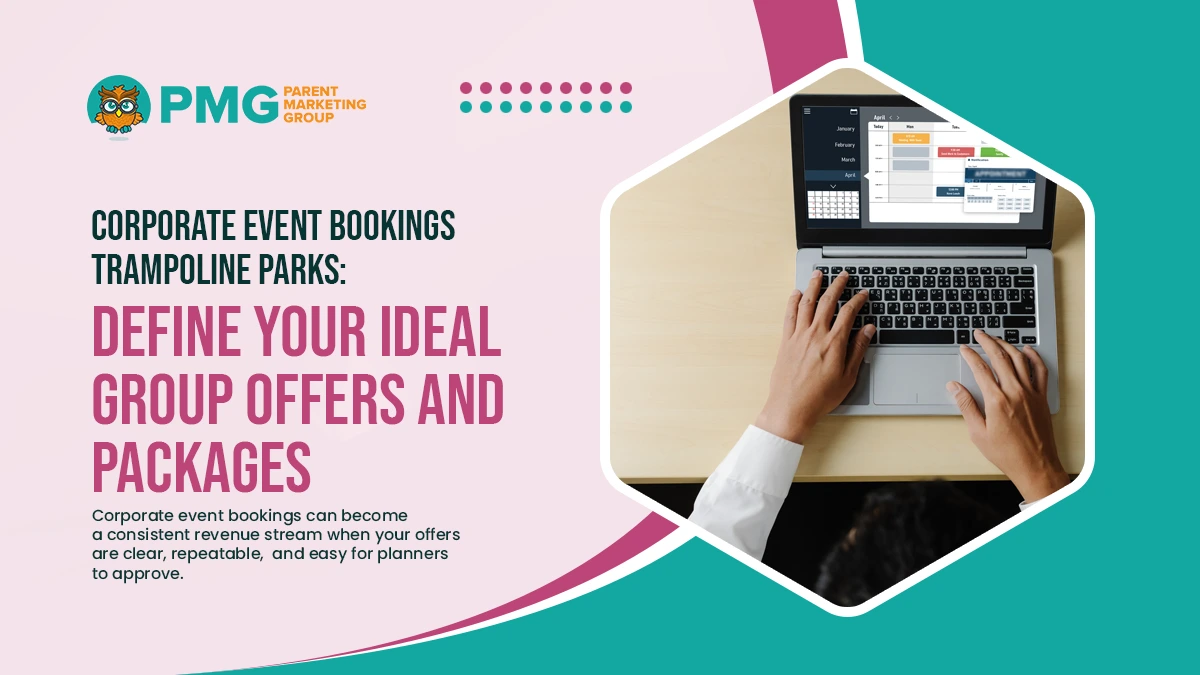
Corporate event bookings can become a consistent revenue stream when your offers are clear, repeatable, and easy for planners to approve. The goal is to reduce the need for custom quoting and make it simple for a company to choose a package, confirm a date, and feel confident that the event will run smoothly.
Identify The Corporate Groups You Want Most
Start by deciding which corporate groups you can serve well without disrupting your busiest public hours. Many parks perform best with small to mid-sized teams that value an active experience, a reserved space, and minimal planning effort. Focus on organizations that book regularly and have the potential to return throughout the year.
Common high-fit corporate group types include:
- Team-building outings and department celebrations
- Employee appreciation events
- Holiday gatherings and milestone parties
- Offsite training breaks or wellness-focused events
Build Tiered Packages That Make The Decision Easy
Corporate planners want clarity. A tiered package model reduces back-and-forth, improves close rates, and creates predictable fulfillment for your staff. Offer three levels that scale in value, each with a simple one-sentence description.
A practical tier structure can include:
- Essential: jump time, grip socks, and a reserved seating area
- Plus: essential items plus food options, dedicated host support, and preferred scheduling windows
- Premium: private room or partial facility access, upgraded catering, and enhanced experience add-ons
Create Clear Inclusions, Add-Ons, And Policies
Standardize what is included and what is optional so every quote feels consistent and professional. This protects margins, reduces operational surprises, and builds trust with decision-makers.
Define these elements in every package:
- Inclusions: time blocks, headcount minimums, host support, setup, and cleanup
- Add-ons: meeting room time, catering upgrades, arcade credits, photo options, and branded signage
- Policies: deposit requirements, payment deadlines, waiver expectations, arrival timing, and cancellation terms
When your packages are structured and your terms are clear, corporate buyers can approve faster, your team can deliver with confidence, and bookings are easier to forecast.
Group Sales Strategy Family Entertainment: Set Up Your Prospecting And Outreach System
A reliable prospecting and outreach system turns group sales from reactive to predictable. The objective is to identify qualified organizations consistently, contact the right decision-makers, and follow a repeatable cadence until a booking is secured or the opportunity is clearly closed.
Build A Target Lead List By Segment
Start with segmentation. When your list is organized by group type, you can tailor messaging, offers, and timing without rewriting everything from scratch. Build a working list that includes contact name, title, phone, email, organization size, and booking season.
High-value segments for family entertainment often include:
- Schools, PTAs, and youth organizations
- Day camps, sports teams, and after-school programs
- Churches and community groups
- Corporate offices, HR teams, and local businesses
- Event planners and nonprofit fundraisers
Use local directories, Google searches, chamber of commerce lists, LinkedIn, and existing customer records to keep the list growing weekly.
Choose Outreach Channels And Cadences
A multi-channel approach increases response rates while maintaining a consistent process. Set a simple cadence that your team can execute every week. The key is persistence without pressure, with clear spacing between touches.
A practical cadence over 14 days can look like:
- Day 1: Email introduction with one clear offer and two available date ranges
- Day 3: Phone call or voicemail referencing the email
- Day 6: Follow-up email with a short case example or benefit list
- Day 10: LinkedIn connection or message for corporate prospects
- Day 14: Final check-in with an easy next step, such as a quick call or a hold on a date
Write Scripts For Email, Phone, And Social Outreach
Scripts should be short, specific, and designed to earn a reply. Focus on outcomes that matter to each segment, such as easy planning, safe supervision, structured activities, and flexible scheduling.
Include these elements in every script:
- Who you serve and why you are reaching out
- The group experience in one sentence
- A clear starting price or package range, if appropriate
- Two dates or time windows to choose from
- One simple call to action, such as “Would you like a quick quote or to hold a weekday slot?”
With a segmented list, consistent cadence, and repeatable scripts, your group sales strategy becomes easier to manage, easier to measure, and more dependable month to month.
Weekday Group Revenue Trampoline Parks: Build A Calendar-First Booking Plan
Weekday group revenue becomes predictable when you plan your calendar first and sell to it second. Instead of waiting for inquiries, you create dedicated group-friendly blocks, align them to seasonal demand, and train your team to protect those slots. This approach improves staffing decisions, reduces last-minute scheduling conflicts, and increases booking confidence for schools, camps, and corporate planners.
Protect Prime Weekday Time Blocks For Groups
Start by selecting the weekday windows during which you can reliably deliver a strong guest experience. Many trampoline parks perform well with late-morning and early-afternoon group events, especially during school-year field trips and the camp season. Define which time blocks are reserved for groups and which require special approval.
Standard calendar rules include:
- Reserve 2 to 4 weekday blocks per week for group bookings
- Require a minimum headcount for premium time slots
- Limit capacity to avoid operational strain during public sessions
- Hold space for private rooms or party areas to reduce overlap
Create Seasonal And School-Year Booking Cycles
Group demand follows predictable patterns. A calendar-first plan aligns your outreach and promotions with those cycles, so your pipeline fills earlier and with less discounting. Build a quarterly view that identifies the highest-opportunity weeks and those that typically require more support.
Examples of group cycles to plan for:
- School-year field trips: September to November, and February to May
- Camp and summer groups: late May through August
- Corporate events: year-round, with stronger peaks in Q4 and early Q1 planning
- Community groups: weekends and select weekdays, especially around holidays
Use Limited-Time Incentives Without Discounting Your Brand
Incentives should protect your pricing while motivating weekday bookings. Focus on value-adds that improve the experience and cost less than broad discounts. Tie incentives to specific calendar blocks so they reinforce your schedule discipline.
Effective weekday-focused incentives can include:
- Complimentary meeting room time for corporate groups
- A bonus add-on activity or arcade credit bundle
- Free coach or chaperone passes for school and sports groups
- Priority check-in and dedicated host support for groups booking early
When your calendar is structured, your booking cycles are mapped, and your incentives support specific time blocks, weekday group revenue becomes easier to forecast and easier to grow.
Capture And Qualify Leads With Consistent Intake And Scoring
A predictable group sales pipeline depends on lead quality and speed. When inquiries arrive through multiple channels, the risk is inconsistency in what your team collects, how quickly they respond, and which opportunities they prioritize. A standardized intake process and a simple scoring model help you respond faster, quote accurately, and focus time on the groups most likely to book.
Standardize Your Inquiry Form And Call Intake
Use a single set of questions across all entry points, including web forms, phone calls, social messages, and email inquiries. This reduces follow-up gaps and ensures your team can immediately route the lead to the correct offer.
Capture the essentials every time:
- Group type and organization name
- Contact name, role, email, and phone
- Preferred date, alternate date, and timing window
- Estimated headcount and age range
- Budget range or package interest
- Food needs, private space request, and special requirements
Set a response standard, such as same-day replies during business hours, and document who owns the first contact.
Use Qualification Questions That Protect Capacity
Qualification is not about turning groups away. It is about confirming fit, preventing calendar conflicts, and protecting the guest experience. Train your team to ask clear, practical questions before offering a held date or a final quote.
Include questions such as:
- Is this a decision-maker, or will someone else approve the booking
- Does the group need a private area or facility access
- What is the expected arrival and departure window
- Will the group require invoicing or purchase orders
- Are there supervision requirements or chaperone ratios to plan for
This information reduces last-minute changes and increases close rates by setting expectations early.
Apply A Simple Scoring Model To Prioritize Follow-Up
Not every lead needs the same level of effort. Use a basic scoring system so your team consistently knows which leads require immediate follow-up and which can be nurtured.
A simple scoring example:
- Hot Lead: date within 30 days, clear budget, decision-maker engaged, headcount meets minimums
- Warm Lead: date within 60 to 90 days, some details missing, interest expressed but not confirmed
- Cold Lead: date beyond 90 days, unclear intent, low headcount, or no response after multiple touches
Score leads as soon as intake is complete, then align follow-up timing to the score. This structure keeps your pipeline organized, your team focused, and your bookings more predictable week to week.
Conclusion
A predictable group sales pipeline is built through structure, consistency, and visibility. When your trampoline park defines clear group offers, protects weekday booking windows, and follows an organized outreach cadence, group revenue becomes easier to forecast and easier to grow. Standardized intake and scoring further strengthen performance by improving response time, reducing quoting delays, and keeping your team focused on the highest-value opportunities. Over time, this system supports stronger repeat bookings, better staffing decisions, and a more stable monthly sales rhythm.
Ready to build a group sales pipeline that produces steady bookings for your trampoline park? Schedule a strategy call at https://parentmarketing.com/contact-us or call (716) 303-4133