Marketing attribution for family entertainment centers is essential for multi-location FEC chains that want to grow with clarity, consistency, and confidence. As marketing efforts expand across multiple markets, channels, and campaigns, it becomes more difficult to identify which strategies are truly driving admissions, bookings, and long-term customer value.
A data-driven approach helps directors move beyond assumptions and make informed decisions based on real performance insights. With the right attribution framework in place, FEC leaders can better understand local market behavior, allocate budgets more effectively, and create scalable marketing systems that support stronger results across every location.
Building a Strong Foundation for Multi-Location FEC Marketing
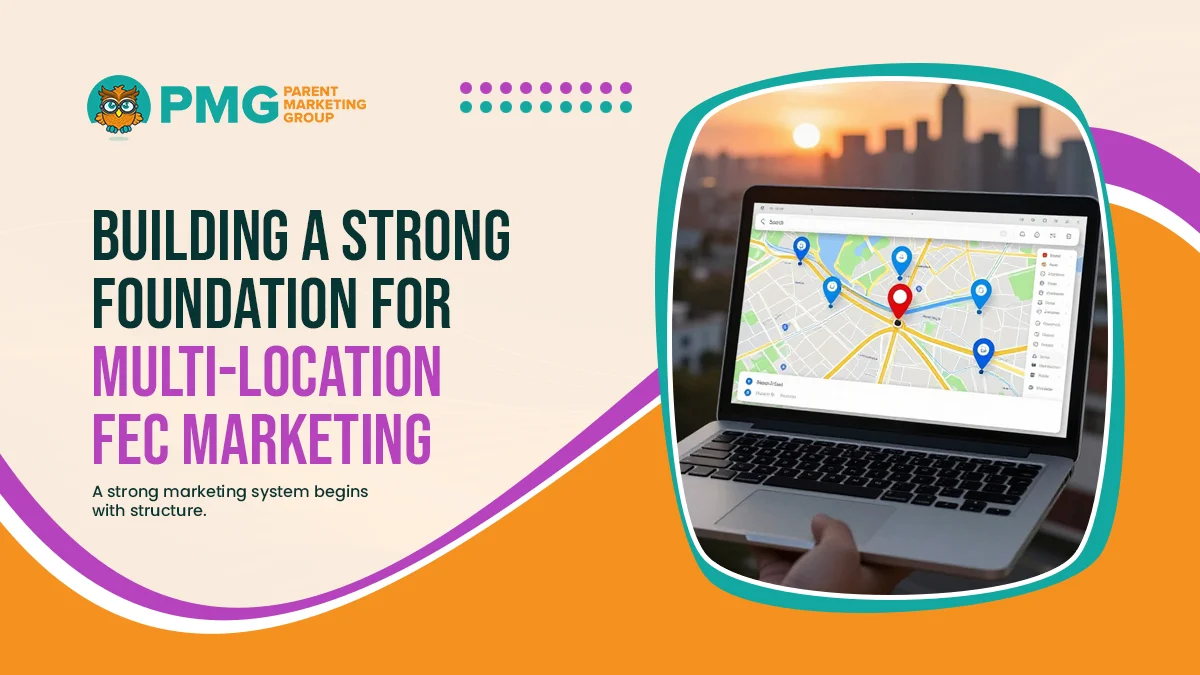
A strong marketing system begins with structure. For multi-location FEC marketing, that means creating a framework that supports local performance while protecting brand consistency across every venue. Without that foundation, it becomes difficult to compare results, understand customer behavior, or scale campaigns with confidence.
Establish Consistent Brand Standards
Each location should feel connected to the larger brand, even when campaigns are tailored to local audiences. Consistent visuals, messaging priorities, and promotional language help create recognition and trust across markets. This also makes performance analysis more reliable because campaigns are being measured against similar standards.
Define Shared Goals Across Locations
Not every location will have the same short-term priorities, but the broader business objectives should remain aligned. Clear goals help marketing teams evaluate success meaningfully. These may include:
- Increasing birthday party bookings
- Driving weekday traffic
- Growing membership enrollment
- Improving seasonal campaign performance
When every location is working toward clearly defined outcomes, attribution data becomes more useful and easier to interpret.
Standardize Tracking and Reporting
Reliable attribution starts with clean, consistent data. Every location should use the same tracking structure for campaign sources, lead actions, bookings, and key conversion points. If one location tracks online party inquiries while another only measures ticket purchases, reporting becomes fragmented and incomplete.
A standardized reporting process allows leadership to compare location performance, identify trends, and spot gaps more efficiently.
Balance Central Oversight With Local Relevance
A scalable strategy does not ignore local differences. Instead, it gives each location room to respond to its own market while operating within a unified system. Central leadership can guide campaign direction, budget standards, and reporting expectations, while local teams contribute market insight, promotions, and community relevance.
This balance creates a stronger marketing foundation, making it easier to measure what is working and scale successful efforts across the full FEC chain.
Improving Visibility With Conversion Tracking for Trampoline Parks
Strong attribution depends on clear conversion data. For trampoline parks, that means going beyond basic website traffic and tracking the actions that reflect real business intent. Without that visibility, marketing teams may see clicks and impressions but miss the behaviors that lead to revenue.
Identify the Conversions That Matter Most
Not every action carries the same value. Trampoline parks should define the conversions that directly support growth, then monitor them consistently across every location. Common examples include:
- Online ticket purchases
- Birthday party inquiries and bookings
- Membership sign-ups
- Waiver completions
- Group event requests
- Coupon redemptions
When these actions are clearly defined, marketing teams can evaluate campaign performance with greater accuracy.
Track the Full Customer Journey
Conversion tracking for trampoline parks should capture more than the final booking step. Many families visit a website multiple times before they take action. They may browse attractions, compare pricing, review party packages, or check hours before making a decision.
Tracking those touchpoints helps leaders understand where interest begins, where drop-off happens, and which channels are moving families closer to a visit. This creates a more complete view of performance across paid search, social media, email, and local campaigns.
Standardize Tracking Across Locations
For multi-location brands, consistency is essential. Every trampoline park should use the same naming conventions, event tracking structure, and reporting standards. If one location tracks membership form submissions but another only reports purchases, leadership cannot make fair comparisons across markets.
A clear system should include:
- Consistent UTM parameters
- Unified event naming
- Shared dashboard reporting
- Location-specific tagging where needed
Turn Visibility Into Better Decisions
Once tracking is in place, teams can make stronger decisions about budget allocation, campaign messaging, and channel strategy. Better visibility helps directors identify which efforts are driving party bookings, repeat visits, and memberships, allowing them to invest with more confidence and improve performance across the full organization.
Measuring Entertainment Center Marketing ROI Across Every Location

Measuring entertainment center marketing ROI across every location requires more than reviewing top-line revenue. For multi-location brands, the goal is to understand how marketing investments perform at both the local and brand-wide levels. A clear ROI framework helps leadership identify what is producing results, where inefficiencies exist, and how to scale growth with greater precision.
Define ROI Around Meaningful Business Outcomes
ROI should be tied to outcomes that reflect actual business value, not just surface-level engagement. While clicks and impressions can signal interest, they do not show whether marketing is driving profitable action. Stronger measurement focuses on metrics such as:
- Ticket sales
- Birthday party bookings
- Membership enrollments
- Group event leads
- Repeat guest activity
This creates a clearer link between campaign spend and revenue-generating behavior.
Separate Local Performance From Chain-Wide Trends
Each location operates in a different market, so results should be evaluated with local context in mind. Seasonal demand, competition, demographics, and promotional timing can all influence performance. At the same time, leadership needs a broader view of what is working across the full organization.
A balanced reporting model should show:
- Location-specific return on ad spend
- Cost per booking or lead
- Top-performing channels by market
- Overall brand-level patterns and opportunities
Use Consistent Measurement Standards
ROI becomes difficult to trust when locations report success differently. Standardized tracking, conversion definitions, and reporting windows help ensure accurate comparisons. This consistency allows directors to identify which campaigns deserve more investment and which require adjustment.
Turn ROI Insights Into Smarter Growth Decisions
When entertainment center marketing ROI is measured clearly, leadership can make more confident decisions about budgeting, campaign planning, and expansion. Strong ROI reporting supports a more disciplined marketing strategy, helping each location contribute to broader business goals while giving decision-makers the data they need to improve performance across the entire chain.
Connecting Online Engagement to In-Person Visits and Bookings
For FEC chains, digital engagement only becomes meaningful when it can be tied to real-world action. Website visits, ad clicks, email opens, and social interactions may signal interest, but they do not tell the full story on their own. To make better decisions, marketing leaders need a clear way to connect those online signals to in-person visits, party reservations, ticket sales, and other high-value outcomes.
Track the Actions That Signal Real Intent
Some online behaviors deserve closer attention because they often happen just before a booking or visit. These actions help identify where interest is becoming intent and where stronger follow-up may be needed. Useful indicators often include:
- Viewing pricing or package pages
- Starting a booking form
- Clicking for directions or hours
- Downloading waiver information
- Calling from a mobile ad or website
- Redeeming a digital offer
These touchpoints provide stronger context than traffic numbers alone.
Create a Clear Path From Click to Visit
Families often interact with a brand more than once before they make a decision. A parent may discover an FEC through a social ad, return later through search, and finally book after receiving an email promotion. Without a connected tracking system, that path can look fragmented.
A stronger attribution setup helps teams understand which channels introduced the customer, which channels supported consideration, and which message drove the final action. This leads to more accurate reporting and more confident budget decisions.
Use Location-Level Data to Strengthen Attribution
For multi-location brands, local accuracy matters. Booking systems, coupon codes, call tracking, CRM data, and point-of-sale reporting can all help connect digital activity to on-site results. When these systems are aligned, leadership can see which campaigns are influencing actual visits in each market.
Turn Engagement Into Operational Insight
When online engagement is tied to in-person behavior, marketing becomes easier to evaluate and improve. Leaders can identify which campaigns drive party bookings, which promotions increase weekday traffic, and which channels support repeat visits. That visibility creates a stronger foundation for smarter planning, better resource allocation, and more scalable growth across every location.
Conclusion
Scaling attribution across a multi-location FEC chain requires more than collecting data. It calls for a clear system that connects campaigns, customer behavior, and business outcomes across every market. When leaders build a consistent framework for tracking, reporting, and evaluating performance, they gain the visibility needed to make stronger, more confident decisions. From understanding which channels influence bookings to identifying location-specific opportunities, attribution helps turn marketing from a cost center into a measurable growth driver. With the right foundation in place, FEC chains can improve efficiency, support local success, and scale with greater precision.
Ready to bring more clarity to your marketing strategy? Connect with the team at Parent Marketing Group at (716) 303-4133 or visit https://parentmarketing.com/contact-us.