Party package pricing for family entertainment centers is one of the most important revenue levers you can control because it shapes both demand and profit on every booking. When pricing is built around real costs, capacity, and the value families perceive, packages become predictable, scalable income rather than a discounted add-on.
The goal is to create options that feel clear and appealing while protecting margins through smart inclusions, timing, and staffing requirements. With the right structure, you can increase average party spend, reduce operational strain during peak hours, and position premium experiences as an easy upgrade for parents planning celebrations.
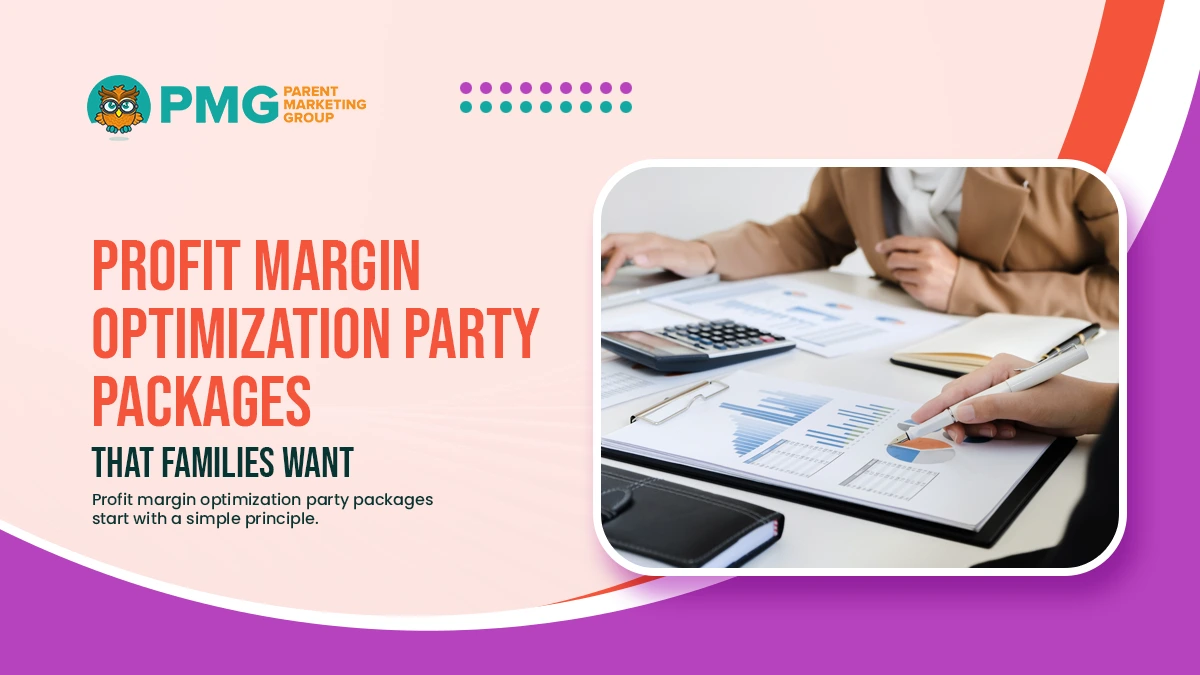 Profit margin optimization party packages start with a simple principle. Families pay for ease, clarity, and a celebration that feels special. Your job is to deliver those benefits while protecting the numbers behind the scenes. The most profitable packages are not the cheapest. They are the ones that align with what parents value and control the costs that quietly erode margins.
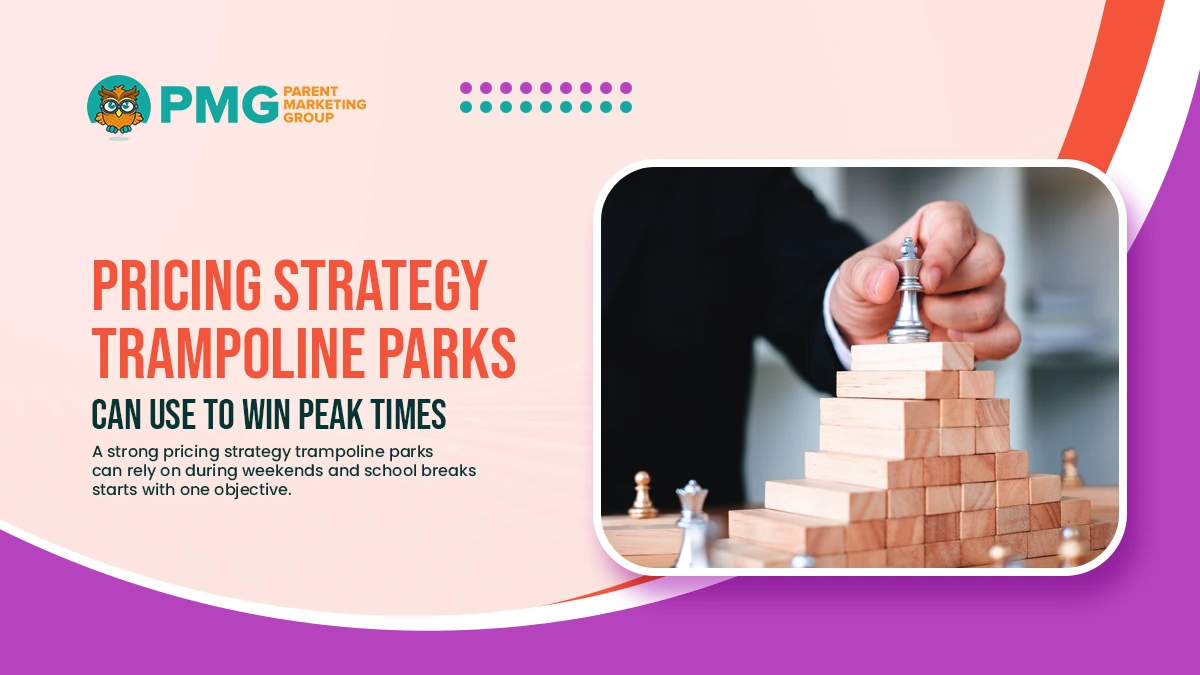 A strong pricing strategy trampoline parks can rely on during weekends and school breaks starts with one objective. Protect capacity for your highest-value bookings while making it easy for families to choose a package that fits their budget. Peak times create urgency but also operational pressure. Your pricing should reward planning, reduce congestion, and increase average spend without adding complexity at the front desk.
 To increase party revenue, family venues need more than a higher price point. They need tiers that help parents self-select based on what matters most, then guide them toward higher-value options that feel worth it. High-value tiers work when they are easy to compare, clearly differentiated, and designed around upgrades that add perceived value faster than they add cost. The goal is consistent growth in average party spend without creating confusion for families or friction for your team.
Profit Margin Optimization Party Packages That Families Want
Profit margin optimization party packages start with a simple principle. Families pay for ease, clarity, and a celebration that feels special. Your job is to deliver those benefits while protecting the numbers behind the scenes. The most profitable packages are not the cheapest. They are the ones that align with what parents value and control the costs that quietly erode margins.
Price From Real Costs, Not Guesswork
Begin with a true per-party cost baseline. Include:- Staff time for setup, hosting, and cleanup
- Food and beverage costs, including waste
- Party supplies and disposables
- Prize tickets, attraction credits, or game cards
- Merchant fees and any third-party booking costs
Build A Tiered Menu That Feels Like A Clear Upgrade
Families often choose the middle option when the value is obvious. Create three tiers that are easy to compare:- Classic: core experience, a set number of guests, and basic hosting
- Plus: upgraded food, better seating, or longer play time
- Premier: premium perks such as a private room, themed add-ons, or VIP check-in
Protect Margin With High-Value, Low-Cost Enhancements
Use add-ons that feel premium but stay operationally light, such as:- Reserved seating upgrades
- Personalized digital invitations
- Priority party check-in
- Simple theme bundles that reuse inventory
- Extra time blocks priced above your hourly cost
Set Guardrails That Prevent “Free Extras”
Margin is lost through unpriced exceptions. Keep policies clear and visible:- Guest overage fees per child
- Time-block extensions with published pricing
- Defined inclusions for food, drinks, and tableware
- Deposits and cancellation terms that cover labor and inventory commitments
Pricing Strategy Trampoline Parks Can Use To Win Peak Times
A strong pricing strategy trampoline parks can rely on during weekends and school breaks starts with one objective. Protect capacity for your highest-value bookings while making it easy for families to choose a package that fits their budget. Peak times create urgency but also operational pressure. Your pricing should reward planning, reduce congestion, and increase average spend without adding complexity at the front desk.
Price By Demand, Not Just By Package Size
Peak time inventory is limited. Treat it that way.- Set higher base pricing for Friday evenings, weekends, and holidays
- Keep off-peak packages attractive for weekday parties
- Publish the schedule so families understand the difference
Use Time Blocks To Control Turnover And Labor
Time is the variable that can quietly erase profit. Build packages around fixed party blocks that align with staffing.- Standard party window with a defined start and end time
- Optional paid extensions priced above your hourly cost
- Buffer time for reset and cleaning is baked into the scheduling
Create Peak-Friendly Packages That Reduce Bottlenecks
Peak demand often fails at check-in, food delivery, and room transitions. Design inclusions that maintain smooth flow.- Pre-set food choices with limited customization
- Digital waivers and guest lists submitted in advance
- Clear rules for late arrivals, outside food, and socks
Add Premium Options That Earn Their Price
Instead of discounting during peak periods, introduce upgrades that solve real parent problems.- Private party room or dedicated seating area
- Hosted games or structured activities
- Priority check-in and reserved table setup
- Party favor bundles with predictable cost
Protect Your Peak Calendar With Clear Terms
Peak slots should not be vulnerable to last-minute changes.- Non-refundable deposits applied to the final balance
- Firm headcount deadlines for food and staffing
- Published cancellation and reschedule terms
Increase Party Revenue Family Venues With High-Value Tiers
To increase party revenue, family venues need more than a higher price point. They need tiers that help parents self-select based on what matters most, then guide them toward higher-value options that feel worth it. High-value tiers work when they are easy to compare, clearly differentiated, and designed around upgrades that add perceived value faster than they add cost. The goal is consistent growth in average party spend without creating confusion for families or friction for your team.
Build A Three-Tier Value Ladder Parents Understand
A simple ladder reduces decision fatigue and improves conversion. Consider three primary tiers:- Essential: core celebration basics, a set guest count, and standard play access
- Celebration: upgraded food, more time, or better seating and hosting
- Signature: premium experience with convenience and exclusivity built in
Design Tiers Around Parent Priorities
High value is not always more items. It is often less stressful. Structure upgrades around what parents actually want:- Easier planning with fewer choices
- A smooth arrival and check-in experience
- A better space for adults to gather
- A hosted flow that keeps kids engaged
Use Bundles That Raise Spend Without Raising Complexity
Bundles increase order value when the inclusions are predictable and repeatable. Strong options include:- Party favor bundles with consistent unit cost
- Add-on attraction credits or game cards
- Dessert upgrades that use existing vendors or in-house options
- Digital keepsakes, such as photo slideshows or branded e-invites
Add Upgrade Triggers At The Right Moments
Your tier strategy improves when upgrades appear at natural decision points:- At booking, offer “most popular” placement for the mid-tier
- After the deposit, offer paid add-ons with a deadline
- Before the party, offer guests overage and time extensions
Track What Moves Revenue, Then Refine
Focus on a few metrics that tie directly to growth:- Tier mix by day and season
- Average party value and add-on rate
- Guest overage frequency
- Profit per party after labor and food
Build A Package Ladder Parents Understand In Seconds
Parents typically choose a party venue while juggling time, budget, and guest logistics. Your package ladder should reduce effort, answer questions quickly, and guide families toward the best-fit option without requiring a long explanation. A clear ladder improves conversions, reduces staff back-and-forth, and supports higher average spend because parents feel confident about what they are buying.Start With Three Simple Tiers And A Clear “Best Value” Option
A streamlined menu is easier to understand and easier to sell. Use three tiers, then position the most common choice at the top.- Entry tier for budget-sensitive bookings
- Mid-tier labeled as best value
- Premium tier designed for convenience and exclusivity
Use Consistent Building Blocks Across Every Tier
Parents process information faster when package elements follow a predictable pattern. Keep the same categories in the same order.- Guest count
- Time included
- Play access or attractions
- Food and beverages
- Private space and seating
- Hosting and cleanup support
Write Inclusions Like A Checklist, Not A Paragraph
Dense text slows decisions. Use short lines that scan well on mobile and in printed menus.- “Includes 10 jumpers” is clearer than “Up to 10 children can participate”
- “90 minutes total” is better than “an hour and a half of fun”
- “Dedicated host” is more useful than broad promises
Make Upgrades Feel Meaningful And Specific
Each step up should have one or two headline benefits that parents recognize immediately. Examples include:- More time for play or a longer party block
- A private room instead of shared seating
- Priority check-in to reduce arrival stress
- Higher-quality food options or a dessert upgrade
Use Visual Cues That Guide The Decision
A ladder is not only pricing. It is a presentation. Support fast decisions with:- A simple comparison grid
- A “most popular” badge on the mid-tier
- One-sentence tier summaries under each name
- A short add-on menu placed after package selection